
9 Honest Lessons About Success That Every Artist Needs to Hear
What we've learned from accomplished artists about perseverance, creativity, and building a career that lasts.


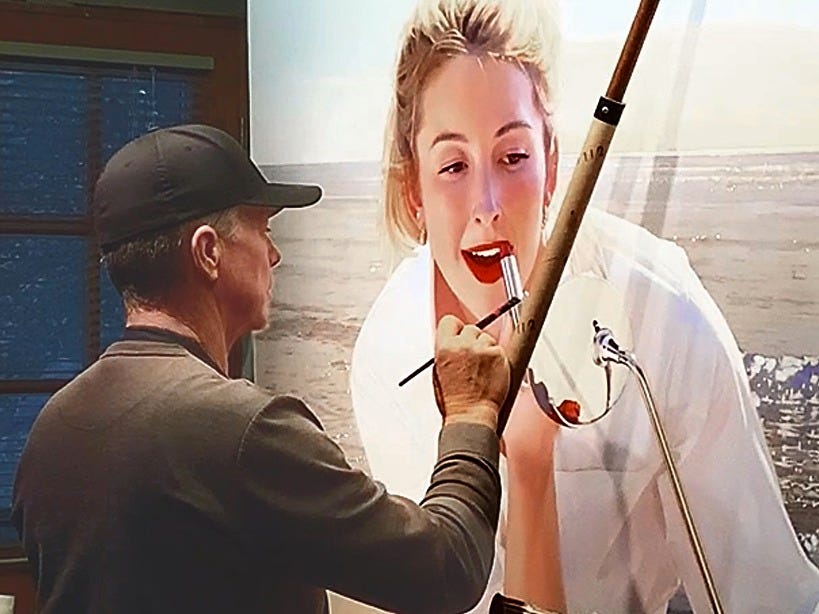
“The harder you work, the luckier you get.” — S. C. Mummert
❤️ Please click the Like button—the little heart icon at the top and bottom—if you want paint-splattered guardian angels to carry this article across the internet, gently tap artists on the shoulder, and whisper, “Success is not a finish line, darling, it’s a studio practice.” Your click also helps us better promote the arts to those who need support.
What does it really mean to “make it” as an artist?
It’s probably not what you think.
After years of talking with accomplished artists on the FASO Podcast, one thing has become clear: success isn’t a single moment. It isn’t getting into the right gallery, winning a big award, or selling your first major painting.
It’s something that changes as you grow.
Every artist’s journey is different, but these conversations revealed a few truths that seem to come up again and again.
1. Success Keeps Changing
Most artists begin their careers with a picture of what success looks like. Success could mean getting accepted into a prestigious show, landing gallery representation, selling enough paintings to quit your day job—or simply finding enough uninterrupted time to paint without being disturbed.
But once you reach one goal, another one naturally takes its place—Thats just human nature.
As Kevin Macpherson explained, every achievement simply becomes another stepping stone:
“I don’t think there’s one thing that’s going to make you all of a sudden be the star... every time you get into a magazine... they’re all little stepping stones.”
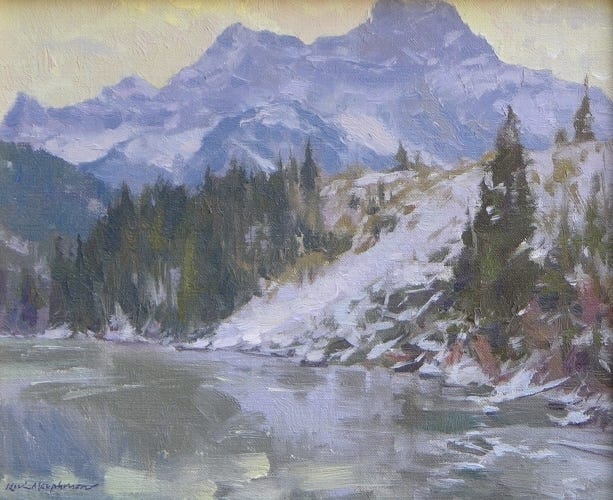
His advice is refreshingly simple:
“Finding your path that you enjoy the process, I think, is important.” — Kevin Macpherson
That idea surfaced again and again throughout the episode. Success isn’t a finish line. It’s the willingness to keep growing while continuing to love the work itself.
2. Showing Up Matters More Than Waiting for Inspiration
Every artist has days when the work flows effortlessly...and days when it doesn’t.
The difference is that successful artists don’t wait until they feel inspired. They keep showing up anyway. The Muse shows up on her terms, but it helps tremendously to show her you are dedicated and in your studio, in your sacred muse-meeting-place, working; waiting for her.
That consistency—painting, learning, experimenting, and improving over time—is what builds a career.
3. Being an Artist Also Means Running a Business
This is the part that surprises a lot of people.
Making great art is only half the job. The other half is learning how to share it with the world.
That means staying organized, communicating with collectors and galleries, keeping up with finances, and finding ways to consistently market your work.
It may not be the glamorous side of being an artist, but it’s what gives you the freedom to keep creating.
This is the part FASO can help with. For more than 25 years, FASO has helped artists build a professional online presence, connect with collectors, and spend less time worrying about technology and marketing so they can spend more time creating.
Build Your Art Business with Confidence
If you’re serious about growing your art career, having your own professional website is one of the best investments you can make.
A FASO Artist Website gives you everything you need to showcase your work, sell online, connect with collectors, and access artist-focused marketing tools like the Art Marketing Calendar—a simple guide that helps you know what to promote and when.
Because your website shouldn’t just display your art—it should help your art business grow.
4. Failure Usually Means You’re Moving Forward
Every artist has paintings that don’t sell, shows that reject them, and mistakes they’ve made they wish they could undo, but none of those artists viewed those experiences as the end of the road. They viewed them as lessons that made them stronger.
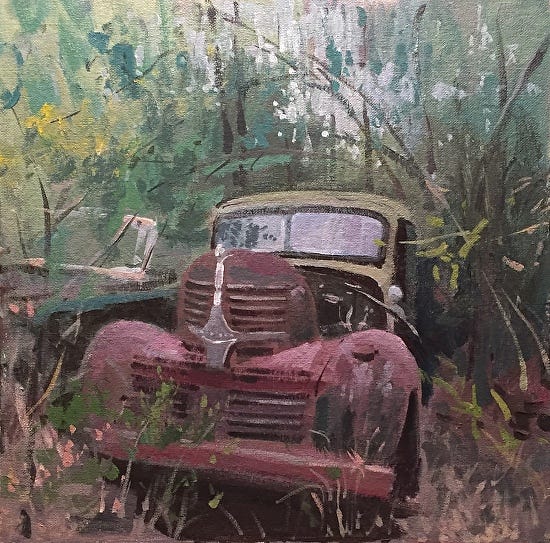
Joseph Gyurcsak admitted that early in his transition from illustration to fine art, he landed representation with outstanding galleries—and then mishandled some of those relationships.
“I blew some of those relationships... You have to have failure. You just gotta own up to where your weaknesses are and then work on them.” — Joseph Gyurcsak
And then they got back up, dusted themselves off, and kept going.
None of them viewed those experiences as the end of the road.
Instead, they became some of the most valuable lessons in their careers.
5. Marketing Doesn’t Take Away From Your Creativity
For many artists, marketing feels uncomfortable.
Yet doing the uncomfortable things is what sets apart the successful from the unsuccessful. Several artists shared how learning marketing completely changed their careers. Understanding your audience, telling your story, and consistently promoting your work helps connect your art with the people most likely to appreciate it.
Marketing isn’t about becoming someone you’re not.
It’s about helping the right people discover art work they’ll genuinely connect with.
6. Don’t Build Your Career Alone
Artists spend a lot of time working by themselves. But that doesn’t mean they should build their careers by themselves.
Finding mentors, joining artist organizations, attending workshops, or simply connecting with other artists can provide encouragement, honest feedback, and fresh perspectives that are hard to find inside your own studio.
7. Big Careers Are Built One Small Step at a Time
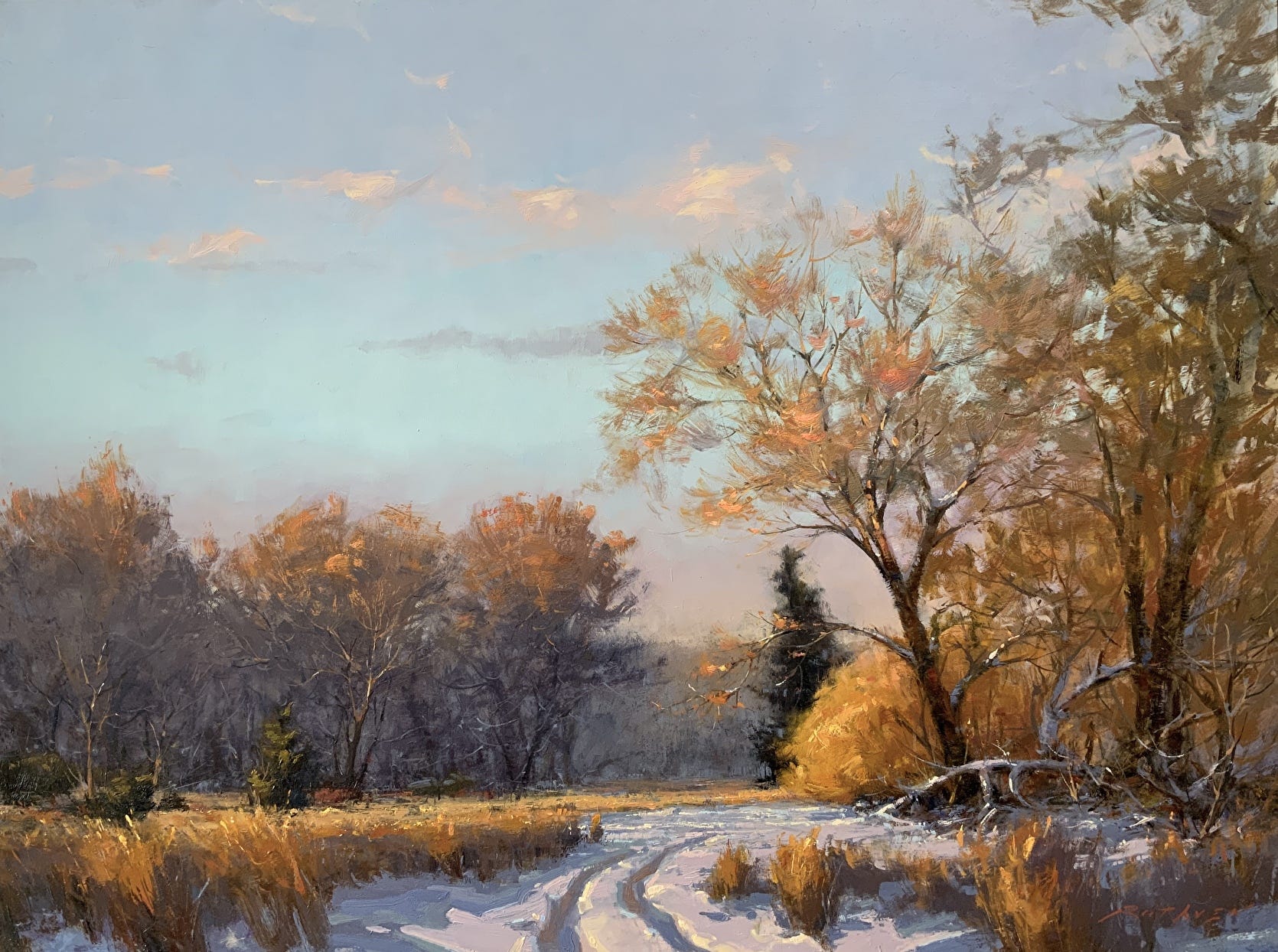
One artist shared an idea that really stood out:
“Every day, ask yourself: What’s the one thing I could do today to move me toward my goal? Make that one of your top priorities before you get sucked into the rest of your day.”
— Scott Ruthven
Instead of worrying about everything you need to do, ask yourself: What’s one thing I can do today that will move my career forward? It doesn’t have to be a major accomplishment. It could be something as simple as updating your website, sending a newsletter to your collectors, or applying to a single art show. Small, consistent actions may not seem significant in the moment, but over time they build momentum and move your art career forward.
Those small actions may not feel significant in the moment, but over months and years, they create remarkable progress.
8. Hard Work Creates More “Luck”
One quote from the episode summed it up perfectly:
“The harder you work, the luckier you get.” — S. C. Mummert
The artists who seemed the “luckiest” were also the ones who consistently showed up, kept learning, built relationships, and stayed open to new opportunities.
Success often looks like luck from the outside—but persistence from the inside.
9. Only You Get to Define Success
Perhaps the most refreshing takeaway was this:
There isn’t one definition of success.
For one artist, it’s financial freedom.
For another, it’s having the flexibility to spend more time with family.
For someone else, it’s simply waking up excited to paint every morning.
The longer these artists stayed in their careers, the less they compared themselves to others—and the more they focused on building a life that felt meaningful to them.
Success Looks Different for Everyone
If this episode teaches us anything, it’s that there isn’t a moment when someone hands you a certificate saying, “Congratulations—you’ve made it.”
Instead, success is built little by little.
It’s choosing to keep learning after a rejection. It’s finding joy in the work itself. It’s building relationships, improving your craft, and taking the next step—even when you can’t yet see where the path leads.
Maybe that’s what “making it” really means.
Want to hear the full conversations and insights from these accomplished artists? Listen to this episode of The FASO Podcast: Success! — What Nobody Tells You About Making It.
PS — Note from Clint: One of the reasons I built FASO is because I believe art is important, artists are important, and the work you’re called to create deserves to be taken seriously. We are all sharing “miracles of existence” through our art.
Yes, at FASO, we build professional artist websites. Yes, we talk about marketing. Yes, we give artists tools to present their work, tell their stories, reach collectors, and sell more art.
But that is the how.
The why is that we love art, and we want to push back against a world that too often treats art like content and artists like algorithms. The modern world denigrates Beauty in preference of profit and efficiency. At FASO, we hold Beauty sacred.
So we don’t just host artist websites. We promote artists. We feature their work. We try, in our own small way, to help more art find the people who need it. And that informs everything we do and build.
If that resonates with you, we’d be honored to have you join us.
PPS — If you’re not ready to look at FASO, you can support our mission by simply clicking the heart icon at the top or bottom of this article. That helps us reach more artists and art lovers and helps us spread Beauty to a world that is desperate for it.
—Clint
Our use of AI in this article: Some of you may bristle at our use of AI for this, so we’d like to explain: Our beef with AI is primarily when it is used in a way that reduces opportunities for artists. Our goal, in the places we do utilize AI, is to use it in a way that supports human artists.
For example, at FASO, we do not train AI on your artwork for the purposes of using it to generate alternative images. We do use AI to protect your artwork from scrapers (including other AI bots) and to detect and block spam. And we are exploring the use of AI in ways that send more art lovers and collectors to our customers.
As always, The FASO Way is an open forum, so we’d love to know what your opinion of such AI use is in the comments. And, please, as we always request, all comments must be dignified and respectful of us and of your fellow artist colleagues who may have differing points of view. We are in this together, so discussion, and even debate, is important. But hateful or threatening comments will be blocked.
Truer words have never been spoken!!
I love this post. And ... I just wrote a book that was released March 10, 2026... title is funny because you have used two phrases in this newsletter that I have as the title of my book ... "It's the Journey / Being An Artist" ... and your words above are exactly as I talk about in this book which is not a technique book, but about "being an artist" and all it entails. It is about positivity just like your article here. I love that I have been a member of your website ... FASO ... for a very long time and highly recommend it to all the artists that I know. Very good article! Thank you for writing it so well and explaining what it takes ... just doing it!!!