
The 75/25 Rule of Pain
by Debra Keirce

Help us Promote Human Artists
and Push Back Against AI
Please support artists and help us get more exposure for the artists featured in this newsletter by clicking the “Like” icon ❤️, by clicking the “Restack” icon 🔁, or by leaving a comment. The more engagement we get, the more widely these images get shown. Help us support human artists and push back against the encroachment of AI!
Sponsor
FASO Loves Emiliano Marini’s paintings
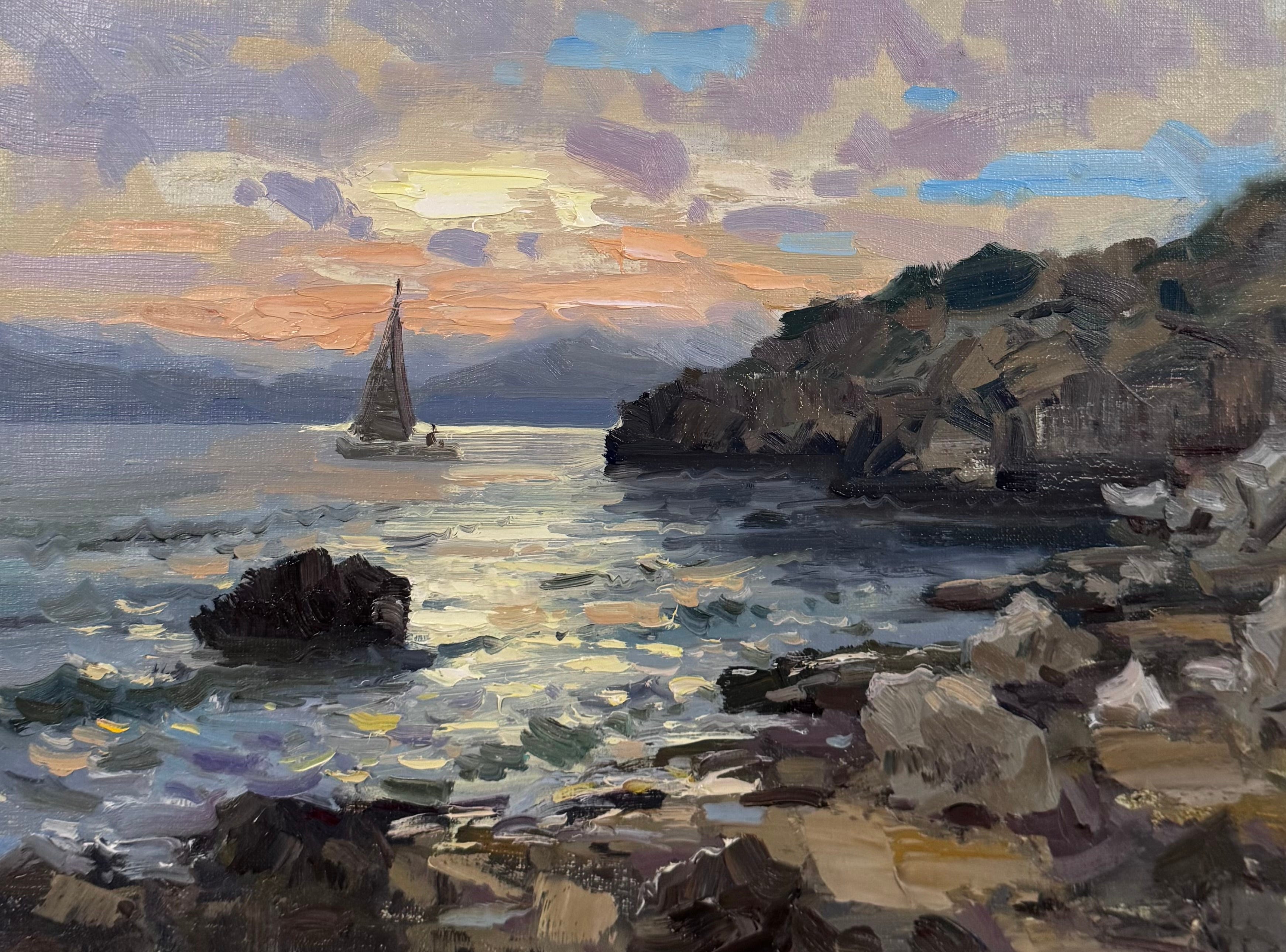
Wouldn’t You Love to work with a website hosting company that actually promotes their artists?
As you can see, at FASO, we actually do, and,
we are the only website host we know of that does.
Click the button below to start working
with an art website host that actually cares about art.
FASO: For Artful Souls Online
Today’s Article
The following article was written by Debra Keirce, a regular contributing author to The BoldBrush Letter.
The 75/25 Rule of Pain
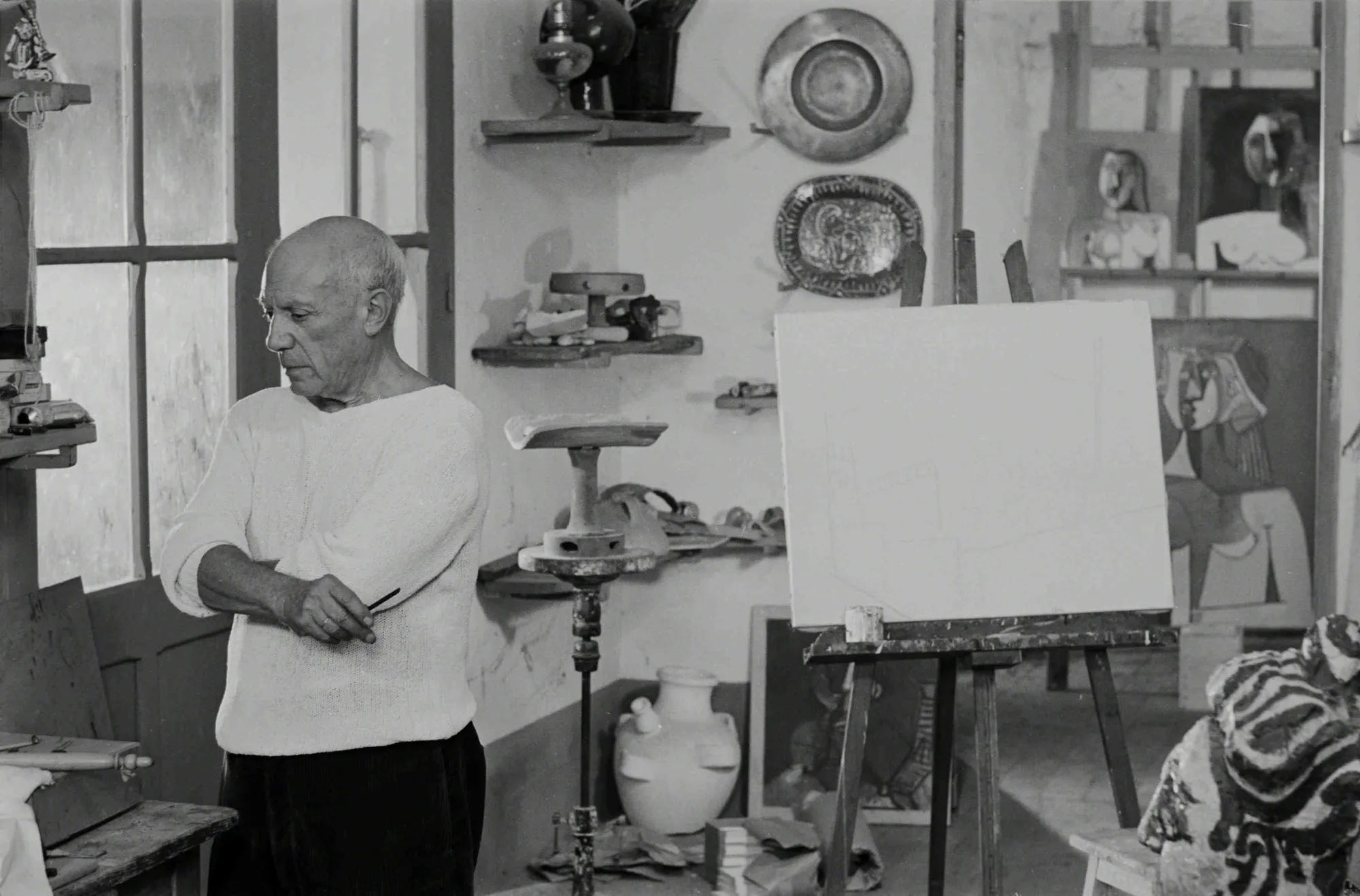
The art business sometimes feels chaotic. As artists, we often find ourselves screaming from the safe haven of our studios, into the wild west, hoping it screams back with a purchase confirmation or a gallery invite.
The problem is that we are spending so much time, trying to control the uncontrollable. In marketing and sales, we attempt to influence external events. It’s uncomfortable and largely unpredictable.
On top of that, most of us are introspective by nature. Even if we have acquired the public speaking skills, we’d much rather be alone with a paintbrush than pitching our souls to a room full of strangers.
We often lose sleep thinking and rethinking external factors and how we might bend them to our will:
Increased sales that miraculously are enough to pay the rent
Gallery representation, so we get an invite to the cool kids’ table
Awards and juried shows that earn us stickers that say “I am validated”
Sold out workshop registrations that keep us on edge for weeks, but inevitably come together only at the very last minute
We hope these things happen as a byproduct of our work, but obsessing over them is like trying to make it rain by staring intensely at a cloud. It’s exhausting and usually ends in a neck cramp.
What if we stopped trying to be amateur meteorologists and started focusing on the climate inside our own studios? There is a profound power in optimizing what we actually control - the work, the process, and the schedule.
However, there’s a catch. If we only stay in our comfort zones, we don’t grow. We just become very technically proficient at being stagnant. We all know those artists who have been perfecting their color mixing charts for decades.
I started calling my compromise the “Rule of Pain.” I’ve found that a specific 75/25 ratio of comfort to cringe works best for me:
75% Studio Zen - I spend the vast majority of my time doing what I love and know. This is where the magic happens.
25% Productive Pain - I spend the rest of my time doing the things that make me want to hide under my desk. This is the growth phase. If I’m not at least slightly uncomfortable during this time, I’m probably not growing.
It wasn’t always this way, and depending on where you are in your career, your ratio may be different. There was a time at the start when I spent only about 40% arting, and 60% of my time trying new marketing strategies. But, 75/25 is where I landed.
The irony is that successes started accumulating for me only when I stopped checking the scoreboard every five minutes. When I decided to love the journey, and stop stressing over the immediate Return on Investment (ROI) for every hour spent, the world actually started paying attention. Letting go of the ROI is not possible for everyone. I was able to make it work, but it is one of the hardest things I have done.
The big question remains. Should you spend your energy hunting for new “hacks” to reach your goals? Or should you double down on the internal mechanics of your craft? How much time should you devote to each endeavor? Will a change in the percentages move you forward in your art business?
You are the only one who can answer this, but it is an important thing to consider.
PS — Editor’s Note: Please support artists and help us get more exposure for the artists featured in this newsletter by clicking the “Like” icon ❤️, by clicking the “Restack” icon 🔁, or by leaving a comment. The more engagement we get, the more widely these images get shown. Help us support human artists and push back against the encroachment of AI!
Debra Keirce
www.DebKArt.com
Join me each month for free updates on this art adventure at
https://debkart.com/email-newsletter
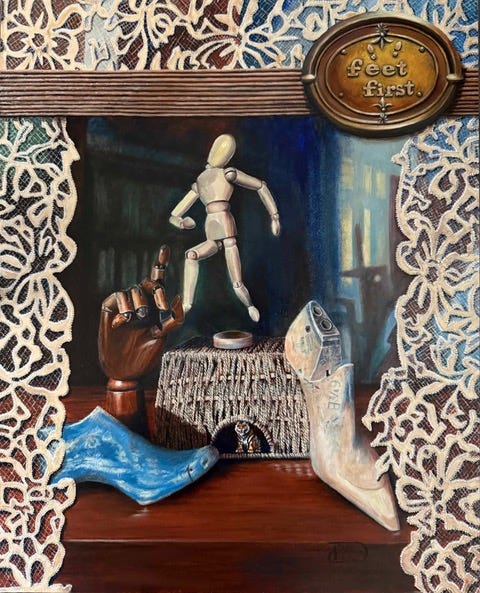
No AI Zone: Everything written in this post (and all our posts) is written 100% by flesh and blood humans
We do not use AI images with our writing. We prefer to feature and provide more exposure for human artists. If you know of a great piece of art we should consider, please leave a comment with a link to it. All featured images are properly attributed with backlinks to the artist’s website. You can help support human artists and push back against AI by liking or restacking this piece by clicking the “Like” icon ❤️, by clicking the “Restack” icon 🔁 (or by leaving a comment).
Thank you Debra. I still need to get more than just my friends to notice my work. So far I'm not reaching people who actually buy art. I keep trying though.
Love your articles Debra. This rule works for me too. Thanks.