
True Speech Is Always an Echo of What Has Long Been Spoken
Learning to Hear the Poetry of the WORD Before We Dare to Speak our words

We have another post today by Eugene Terekhin, the man and the mind behind the publication Philosophy of Language.
Eugene is a regular contributing writer to The BoldBrush Letter.
This article will be locked in two days for paying members only.
FASO Loves Rob Rey’s paintings
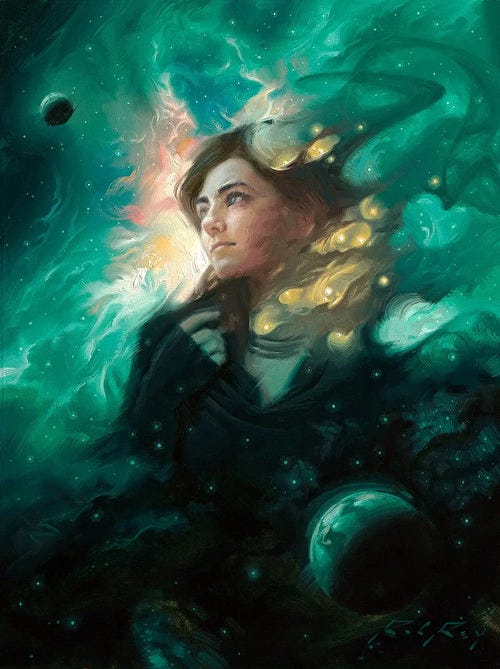
Wouldn’t You Love to work with a website hosting company that actually promotes their artists?
As you can see, at FASO, we actually do, and,
we are the only website host we know of that does.
Click the button below to start working
with an art website host that actually cares about art.
PS - If you prefer Squarespace websites, you should check out our Artful Square offering. We can generally save artists money, unlock extra features, and we promote our Squarespace artists too!
Feature Article:
True Speech Is Always an Echo of What Has Long Been Spoken
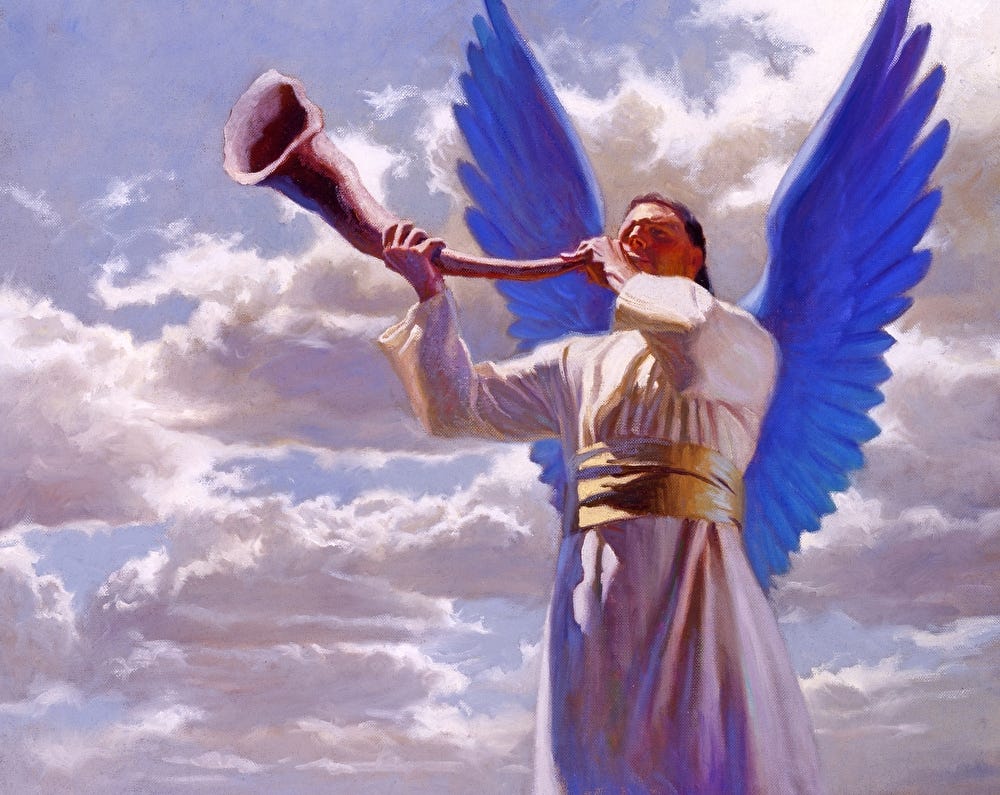
“Language is not a work of human beings: language speaks. Humans only speak insofar as they co-respond to language.” – Martin Heidegger
Language is not something we do; it’s something that comes out of us when we have been spoken to. As Psalm 116:10 says: “I believed, therefore I spoke.”
And Luke 6:45: “For out of the abundance of the heart the mouth speaketh.”
The only proper use of language is when it arises as a response to an Encounter with the Word. It is Divine Being itself speaking to us. True Speech precedes and predates humanity – and creation itself.
We think language is a purely human phenomenon, but it’s not. Human language is but a shadow of the Word spoken day and night from before the foundation of the world.
As David says in Psalm 19:
“The heavens declare the glory of God; the skies proclaim the work of his hands. Day after day they pour forth speech.”
Primordial Speech permeates all of creation. And it is poetic Speech – Poetry itself.
“True poetry is the language of Being, which has long been spoken to us and that we have never yet caught up with.” – Martin Heidegger (GA38A: 167)
The Greek word poiesis, used in the Greek translation of Genesis 1, literally means “making.” In the beginning, God made – He spoke the poem of the world into being. This essential, poetic Speech continues to pour forth day and night from every corner of creation, yet we have not “caught up” with it.
We catch up only when we become conscious of what is “already there.” Unless I have caught the Word being spoken from all eternity, it’s best to keep silent. Silence is the only mode of existence in which we can “hear and receive” the primordial Speech.
Divine Being discloses itself through Speech condensed into matter. Divine Being speaks through grass and water, sunrays and wind, through animals and stones. When Jesus says in Luke 19:40, “I tell you, if these were silent, the stones would cry out,” He means it both literally and metaphorically.
This essential Speech, this Divine poiesis, has “long been spoken to us.” Just as a little child does not begin to speak until they have been spoken to for a long, long time, so we too must remain silent until we have heard enough Speech.
Only then will we open our mouths and, together with the poets, utter the holy. These words will be words of power because they will be taught by the Spirit. They will be the fruit of what has “long been spoken to us.”
We do not seek to communicate or impart knowledge. We simply lean our ear toward what is already being spoken and allow that Speech to pour out.
Language is not something we are entitled to; we cannot use it at will. When words are spoken without first hearing the Speech, they do not make – they destroy. They are not wholesome. They are words of delusion and division rather than healing.
Words not born of the Spirit do not reveal – they obscure. They break and fragment; they do not make whole. The world is full of uninspired, unwholesome words that split and divide. These are words of unmaking – the noise of unspeaking. They do not come from the Source; they are prompted by a different spirit.
True speech always feels strangely familiar. The heart recognizes what has “long been spoken.” Every act of genuine speaking is an echo. Language is always a prayer before it becomes a proclamation.
“Man speaks only insofar as he responds to language by listening to its appeal.” – Martin Heidegger
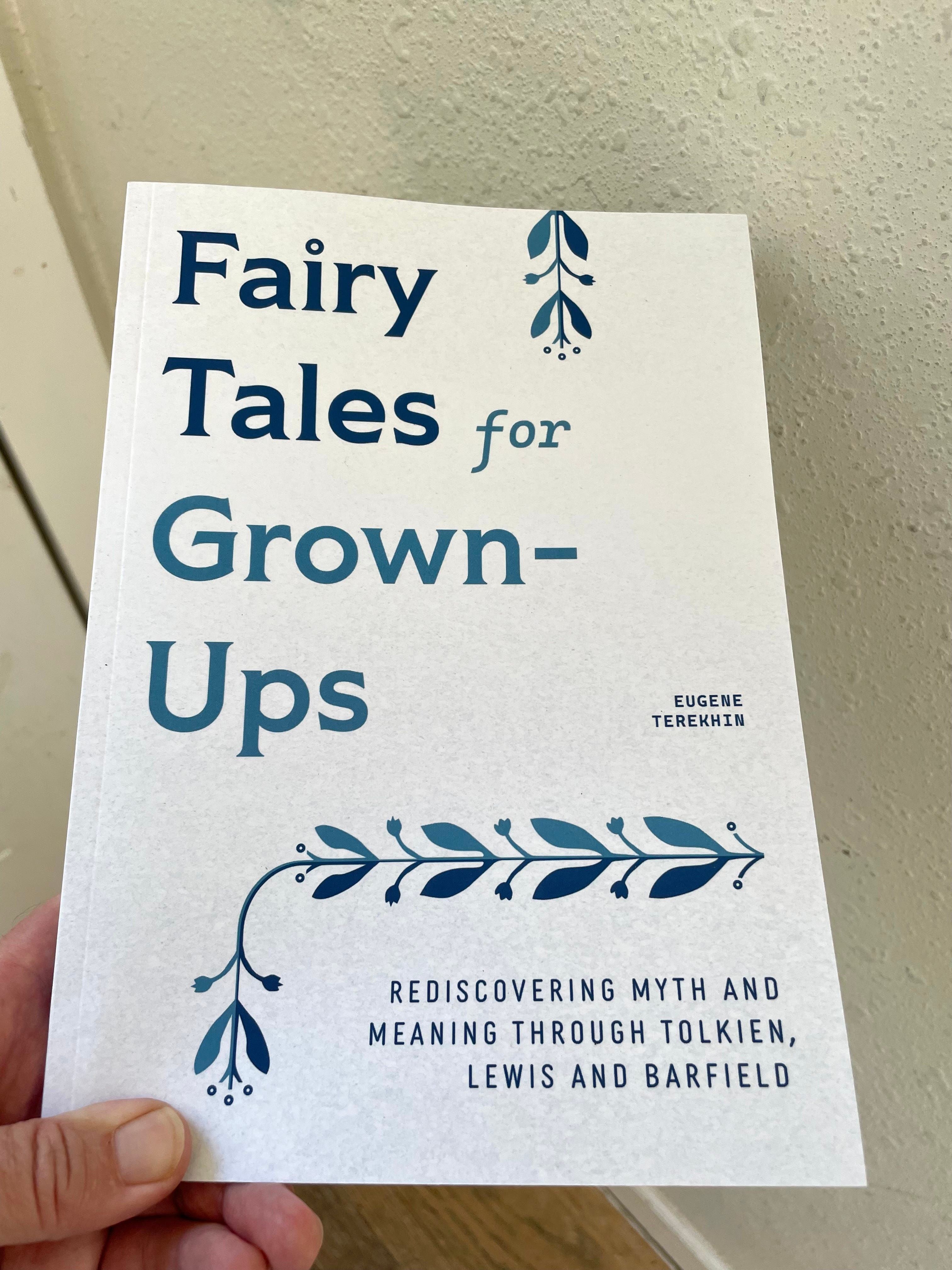
PS — Check out Eugene’s new book Fairy Tales for Grown-Ups: Rediscovering Myth and Meaning through Tolkien, Lewis, and Barfield.
Available on Amazon or his website.
PPS - Don’t forget to sign up for Eugene’s newsletter, Philosophy of Language here.
We do not use AI images with our writing. We prefer to feature and provide more exposure for human artists. If you know of a great piece of art we should consider, please leave a comment with a link to it. All featured images are properly attributed with backlinks to the artist’s website. You can help support human artists and push back against AI by liking or restacking this piece by clicking the “Like” icon ❤️, by clicking the “Restack” icon 🔁 (or by leaving a comment).
beautiful and true