
8 Lessons Every Artist Needs to Hear About Falling in Love with the Process
Jennifer Balkan shares why sustainable art careers aren't built on talent alone—they're built on curiosity, discipline, and learning to enjoy the work itself.


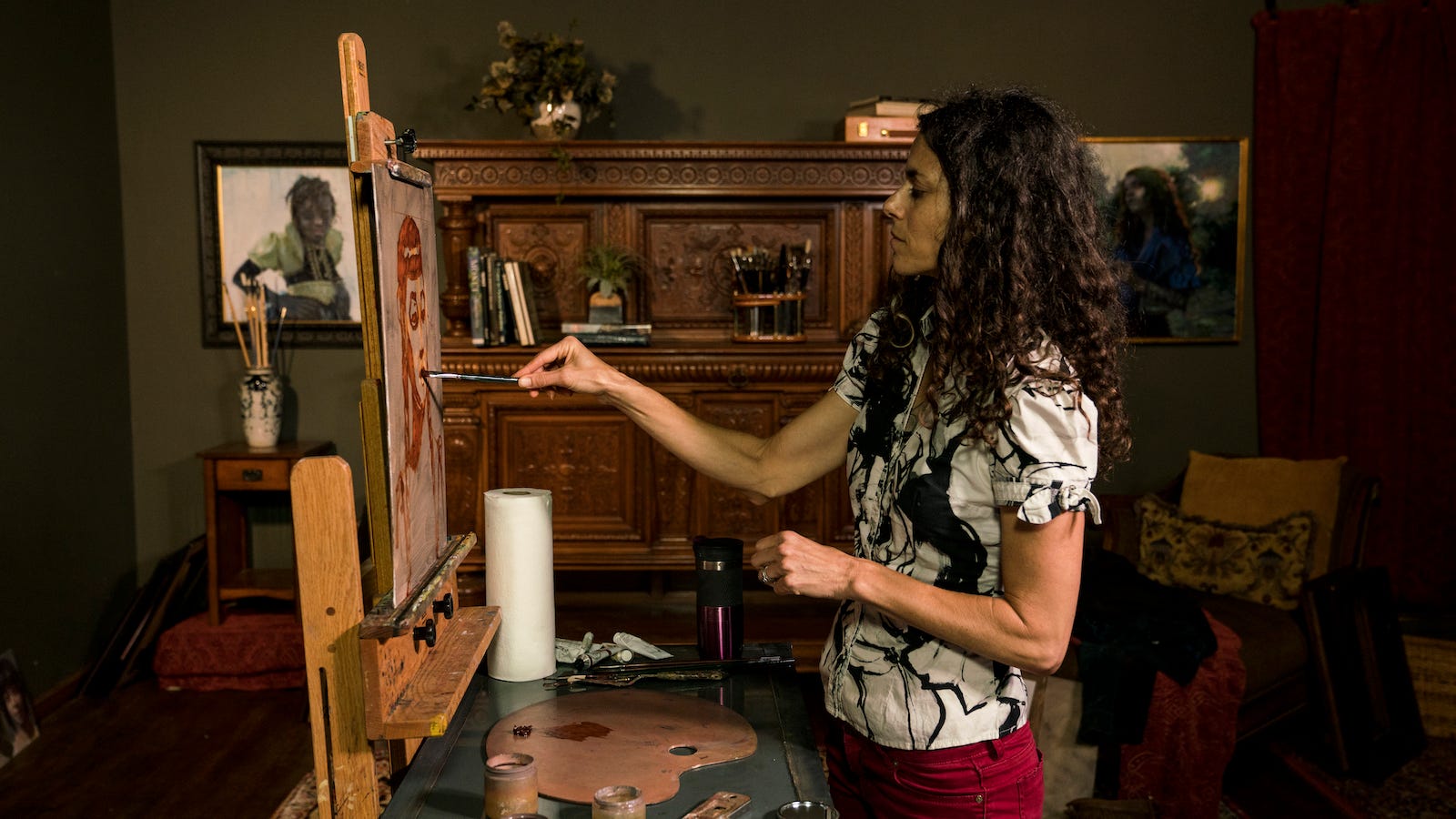
“Once I really discovered painting, I felt so fueled and so passionate about it... I realized that I’ve got to do this.” — Jennifer Balkan
❤️ Please click the Like button—the little heart icon at the top and bottom—if you'd like a paint-covered muse to carry this article across the internet, gently place a well-loved paintbrush into another artist's hand, and whisper, “Fall in love with the process. The masterpiece will follow.” Your click also helps us better promote the arts to those who need support.
Many artists dream about the day they’ll “make it.”
Maybe that means landing gallery representation, selling out an exhibition, earning a steady income from their artwork, or finally receiving the recognition they’ve been working toward.
But according to contemporary painter and educator Jennifer Balkan, those milestones aren’t what keep artists going.
In FASO Podcast Episode #184, Jennifer shares why the artists who last are the ones who fall in love with something much deeper than success—they fall in love with the process itself.
Here are eight powerful lessons from the conversation.
1. If You Feel Pulled Toward Art, Pay Attention
Jennifer didn’t begin as a full-time artist.
She studied behavioral neuroscience, earned a PhD in sociology, and was on what many would consider a practical career path. But after visiting Paris and taking her first painting class, everything changed.
“Once I really discovered painting, I felt so fueled and so passionate about it... I realized that I’ve got to do this.”
Sometimes your calling doesn’t arrive on the timeline you expected. Instead, it finds you when you’re ready to recognize it.
2. Growth Begins Outside Your Comfort Zone
Choosing art wasn't the safe decision. Friends questioned her choice, her family was worried, and Jennifer questioned herself too.
But she learned something every artist eventually discovers:
Comfort rarely leads to growth. Taking thoughtful risks—even small ones—is often what opens the next chapter of your creative life.
3. Your Past Experiences Make Your Art Better
Nothing Jennifer studied was wasted.
Her background in neuroscience and sociology now shapes how she paints people—not just their appearance, but the emotions, thoughts, and humanity beneath the surface.
Everything you’ve experienced becomes part of your artistic voice, and no experience is ever truly unrelated to your work.
A Quick Word for Artists Growing Their Career
Creating great artwork is only part of building a successful art business.
If you’re ready to share your work professionally, FASO gives artists everything they need to build a beautiful website, market their artwork, manage collectors, and grow their business—all without needing technical skills.
Whether you’re just getting started or preparing for your next exhibition, a professional online presence makes it easier for collectors to discover your work, learn your story, and purchase your art with confidence.
4. Don’t Be Afraid to Change Your Process
Even experienced artists get stuck.
Instead of forcing herself to paint the same way forever, Jennifer experimented with Posca markers, colored pens, and new drawing techniques during the pandemic.
Those experiments eventually influenced her oil paintings in unexpected ways.
Trying something new doesn’t mean abandoning your style. In many cases, it’s exactly what helps your style evolve.
5. Your Artistic Voice Develops Through Practice
One of Jennifer’s most encouraging insights is that you don’t have to chase your artistic voice.
It grows naturally through consistent work.
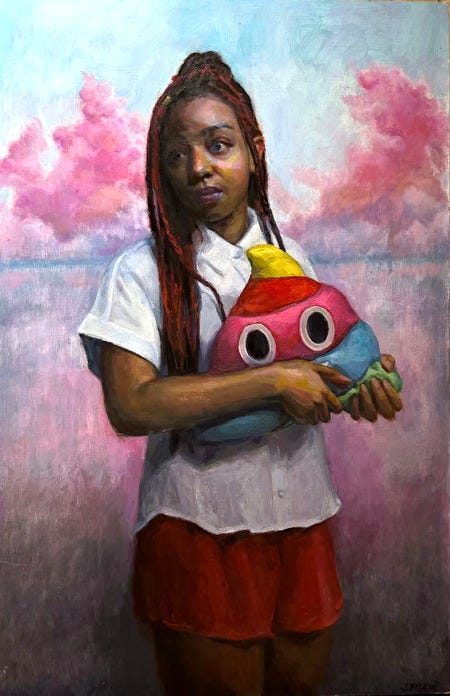
“You will figure it out... You just kind of gravitate toward something.”
The more you study, experiment, and create, the more your unique perspective begins to reveal itself.
Your voice isn’t something you invent; it’s something you uncover through years of observation, practice, and experimentation.
6. Teaching Can Make You a Better Artist
Jennifer never expected teaching to become such an important part of her career.
But explaining painting to others forced her to better understand her own process.
She also discovered that learning never stops.
Students often teach their teachers just as much as teachers teach their students, and sharing knowledge strengthens your own understanding of the craft.
7. A Sustainable Art Career Usually Has Multiple Income Streams
Jennifer is refreshingly honest about the financial realities of being an artist.
Artwork sales alone often fluctuate.
That’s why many successful artists combine exhibitions with teaching, commissions, workshops, licensing, or other creative opportunities.
Building several income streams isn’t a backup plan. For many artists, it’s what makes a long-term creative career both sustainable and rewarding.
8. Fall in Love with the Process—Not Just the Results
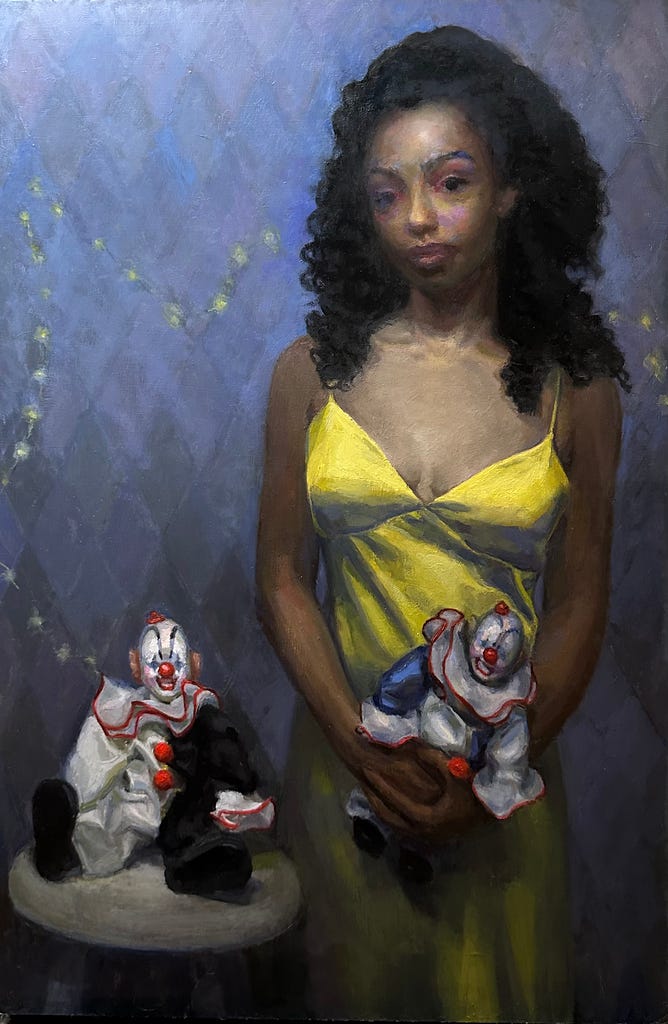
This may be Jennifer’s biggest takeaway.
“You’ve got to love the process... If you don’t love the process, then it’s not worth your time... You have to love the practice of doing it.”
Every artist wants to create beautiful finished paintings, but completed artwork represents only a small part of the journey.
Most of your life as an artist is spent sketching, experimenting, making mistakes, starting over, and continuing to learn.
If you can learn to enjoy those moments, you’ve already discovered something that many artists spend years searching for.
The Process Is the Reward
Jennifer Balkan’s story reminds us that becoming an artist isn’t about reaching a destination. It’s about building a creative life you genuinely enjoy living.
The exhibitions, sales, and recognition are wonderful milestones, but they aren’t what sustain a lifelong career.
Curiosity sustains a creative career. Discipline keeps you moving forward. Community provides encouragement along the way. Above all, a genuine love for the daily practice of making art is what makes the journey worthwhile.
When you fall in love with the process, success becomes something much bigger than a finished painting. It becomes a life spent doing work that matters.
Want to hear the full conversations and insights from Jennifer? Listen to this episode of The FASO Podcast: Jennifer Balkan — Fall in Love with the Process
PS — Note from Clint: One of the reasons I built FASO is because I believe art is important, artists are important, and the work you’re called to create deserves to be taken seriously. We are all sharing “miracles of existence” through our art.
Yes, at FASO, we build professional artist websites. Yes, we talk about marketing. Yes, we give artists tools to present their work, tell their stories, reach collectors, and sell more art.
But that is the how.
The why is that we love art, and we want to push back against a world that too often treats art like content and artists like algorithms. The modern world denigrates Beauty in preference of profit and efficiency. At FASO, we hold Beauty sacred.
So we don’t just host artist websites. We promote artists. We feature their work. We try, in our own small way, to help more art find the people who need it. And that informs everything we do and build.
If that resonates with you, we’d be honored to have you join us.
PPS — If you’re not ready to look at FASO, you can support our mission by simply clicking the heart icon at the top or bottom of this article. That helps us reach more artists and art lovers and helps us spread Beauty to a world that is desperate for it.
—Clint
Our use of AI in this article: Our team worked with AI to help generate this summary and from there we manually edited it. Our beef with AI is primarily when it is used in a way that reduces opportunities for artists. Our goal, in the places we do utilize AI, is to use it in a way that supports human artists. And we believe this use case supports rather than harms.
At FASO, we do not train AI on your artwork for the purposes of using it to generate alternative images. We do use AI to protect your artwork from scrapers (including other AI bots) and to detect and block spam. And we are exploring the use of AI in ways that send more art lovers and collectors to our customers.
As always, The FASO Way is an open forum, so we’d love to know what your opinion of such AI use is in the comments. And, please, as we always request, all comments must be dignified and respectful of us and of your fellow artist colleagues who may have differing points of view. We are in this together, so discussion, and even debate, is important. But hateful or threatening comments will be blocked.